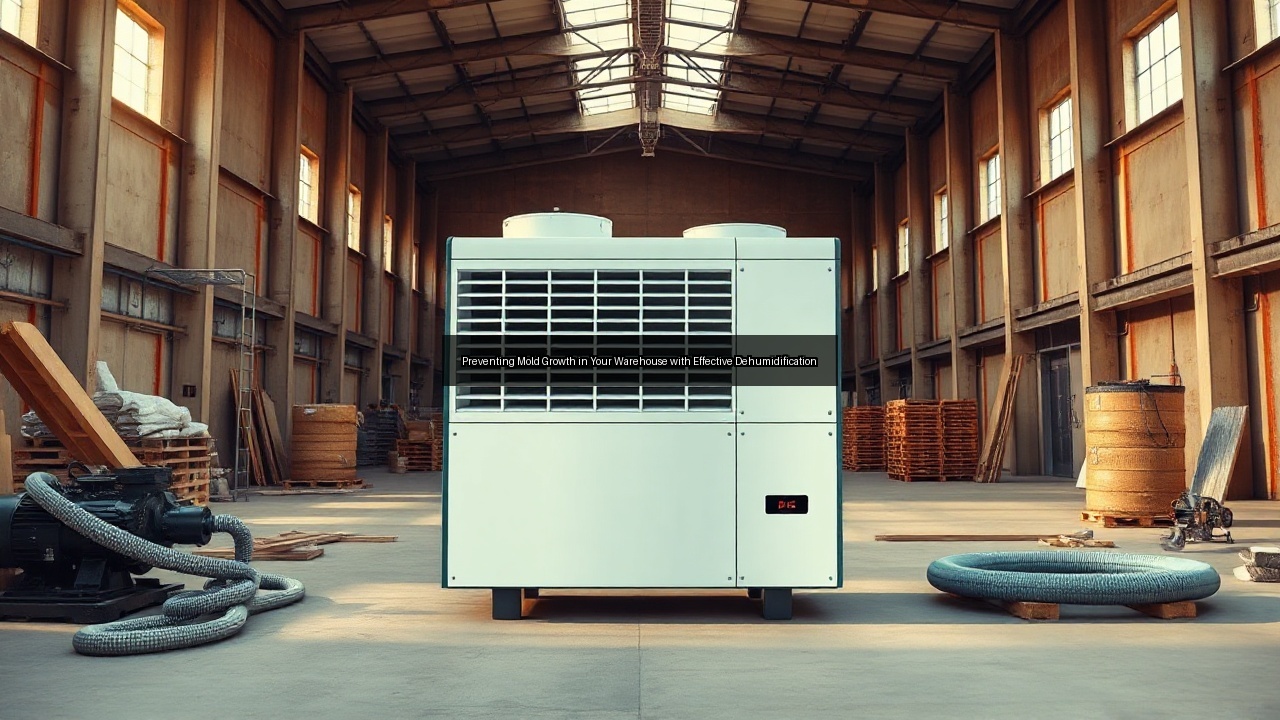
Preventing Mold Growth in Your Warehouse with Effective Dehumidification
Understanding Mold Growth in Warehouses
The Science of Mold: How It Grows
Mold thrives in damp environments, making warehouses prime locations for growth. Mold spores, which are ubiquitous in the environment, require moisture, organic material, and suitable temperatures to develop. When humidity levels rise, these spores can settle on surfaces and begin to proliferate. The process starts with germination, where spores absorb moisture and swell. Afterward, they form hyphae, which are thread-like structures that penetrate the material they colonize. In warehouses, this could include wood, cardboard, or even stored goods, leading to structural damage and product loss. Understanding this lifecycle is crucial for preventing infestations and maintaining a healthy environment.
Conditions That Favor Mold Development
Several conditions significantly influence mold development in warehouses. High humidity levels, particularly above 60%, create favorable conditions for mold growth. Warm temperatures also speed up the germination process, making climate control essential. Poor ventilation exacerbates these issues by trapping moist air and preventing adequate air circulation. Additionally, leaks from flooding or condensation can introduce excess moisture, providing a perfect breeding ground for mold. Regular inspections for water damage, along with proper sealing and climate control, can mitigate these risks. Knowledge of these conditions helps warehouse managers create strategies to combat mold effectively.
Impact of Humidity on Mold Proliferation
Humidity plays a pivotal role in mold proliferation. The relationship between humidity and mold growth is direct; as humidity increases, so does the potential for mold to thrive. High humidity leads to damp surfaces, which provide the necessary moisture for spores to germinate. Conversely, low humidity levels can inhibit mold growth but may also damage sensitive goods and materials. Maintaining optimal humidity levels—generally between 30% and 50%—is essential for mold prevention. Using a commercial dehumidifier can help control humidity effectively, providing a stable environment that reduces the risk of mold while preserving the integrity of stored products.
The Role of Dehumidification in Mold Prevention
How Dehumidifiers Work: The Basics of Moisture Control
Dehumidifiers serve a critical function in moisture control, particularly in environments prone to high humidity like warehouses. These devices extract moisture from the air, converting it into water, which is then either stored in a tank or drained via a hose or pump. This process helps maintain a balanced humidity level, crucial for preventing mold growth. Most commercial dehumidifiers operate using a refrigeration cycle, cooling air to condense moisture. Some advanced units also include features that monitor and adjust humidity levels automatically. Understanding how dehumidifiers work empowers warehouse managers to implement effective moisture control strategies, ensuring a healthier environment.
Choosing the Right Commercial Dehumidifier
Selecting the appropriate commercial dehumidifier requires careful consideration of various factors. The size of the warehouse plays a significant role; larger spaces may require high-capacity units that can handle extensive moisture removal, often measured in pints per day. Additionally, consider the specific needs of the warehouse, such as the types of goods stored and their sensitivity to humidity. Energy efficiency is another crucial factor; opting for Energy Star-rated models can significantly reduce operating costs while ensuring effective moisture control. Assessing the unique characteristics of the warehouse ensures the chosen dehumidifier will meet the necessary requirements for maintaining an optimal environment.
Key Features to Consider: CFM, Pints, and Energy Efficiency
When evaluating commercial dehumidifiers, several key features should be prioritized: CFM (cubic feet per minute), pints, and energy efficiency. CFM indicates the volume of air the dehumidifier can process, directly affecting its effectiveness in larger spaces. The pints capacity measures how much moisture the unit can remove in a day, with higher numbers indicating better performance. Energy efficiency relates to how much energy the unit consumes relative to its output; selecting an Energy Star model ensures compliance with energy-saving standards. Balancing these features allows for optimal performance and cost-effectiveness, crucial for long-term warehouse management.
Implementing Effective Dehumidification Strategies
Optimal Placement of Dehumidifiers in a Warehouse
Strategic placement of dehumidifiers maximizes their effectiveness in controlling humidity levels within a warehouse. Positioning units in areas with high moisture exposure, such as near loading docks or areas prone to flooding, helps target problem zones directly. Additionally, placing dehumidifiers in central locations can enhance overall air circulation, allowing for more efficient moisture removal. Ensure that the air flow is unobstructed by shelves or equipment. This positioning not only ensures effective dehumidification but also protects stored goods from potential mold damage, contributing to the longevity of inventory.
Integrating Dehumidifiers with HVAC Systems
Integrating commercial dehumidifiers with existing HVAC systems creates a comprehensive humidity control strategy. This collaboration allows for seamless moisture management throughout the warehouse, ensuring that all areas maintain optimal humidity levels. The HVAC system can work in tandem with dehumidifiers to circulate dry air, further enhancing efficiency. Additionally, using a centralized control system to monitor both HVAC and dehumidification processes can streamline operations. This integration not only improves commercial air dehumidifier air quality but also enhances energy efficiency, reducing overall operational costs while ensuring a mold-free environment.
Maintenance Tips for Continuous Operation
Regular maintenance ensures the continuous operation of dehumidifiers, maximizing their lifespan and effectiveness. Schedule routine inspections to clean filters and coils, as dust buildup can hinder performance. Check the water collection tank frequently and empty it as needed; some units may benefit from a continuous drainage option via a hose or pump to prevent overflow. Monitoring the sound pressure levels emitted by the dehumidifier can indicate potential issues. If the noise level increases drastically, it may signal mechanical problems that require prompt attention. By implementing these maintenance tips, warehouse managers can ensure reliable moisture control and prevent mold growth effectively.
Monitoring and Measuring Humidity Levels
Using Sensors for Real-Time Humidity Control
Real-time monitoring of humidity levels is crucial for effective mold prevention. Installing humidity sensors throughout the warehouse allows for immediate detection of fluctuations. These sensors can alert managers when humidity levels rise above the desired threshold, prompting timely adjustments. Many modern sensors integrate with commercial dehumidifiers, allowing for automatic activation as needed. This real-time feedback loop ensures that conditions remain stable, reducing the risk of mold proliferation. Incorporating smart technology into warehouse management enhances responsiveness and ensures optimal humidity control, safeguarding both the infrastructure and the stored products.
Understanding Sound Pressure Levels in Dehumidification
Sound pressure levels play an essential role in evaluating the effectiveness of dehumidifiers. Understanding the decibel levels of different units can help warehouse managers select models that operate quietly, especially in environments where noise can be a concern. Most commercial dehumidifiers indicate their sound pressure levels in their specifications. Selecting models with lower decibel ratings can contribute to a more comfortable working environment while maintaining efficient moisture removal. Evaluating sound pressure levels alongside functionality ensures that the dehumidification process does not disrupt warehouse operations, allowing for a balanced atmosphere conducive to productivity.
Evaluating Temperature and Air Flow for Optimal Performance
Temperature and air flow significantly impact the performance of dehumidifiers. Ensuring that the warehouse maintains a stable temperature enhances the efficiency of moisture removal. Dehumidifiers operate best within specific temperature ranges; excessively low or high temperatures can hinder their effectiveness. Additionally, optimizing air flow enhances circulation, allowing dehumidifiers to perform their functions more effectively. Regularly assessing air flow patterns within the warehouse helps to identify any obstructions or areas that may require additional ventilation. By closely monitoring temperature and air flow, warehouse managers can fine-tune their humidity control strategies, ensuring optimal conditions for both storage and overall operations.
See Also
- The Role of Commercial Dehumidifiers in Construction Projects
- Dehumidifier Pumps vs. Hoses Which is Right for Your Commercial Setup
- Combatting Mold Growth in Construction Sites with Effective Commercial Dehumidification Solutions
- The Essential Guide to Choosing the Best Commercial Dehumidifier
- The Impact of Humidity on Product Quality in Commercial Environments