Energy Efficiency and Performance of Commercial Dehumidifiers Explained
Understanding Commercial Dehumidifiers
What is a Commercial Dehumidifier?
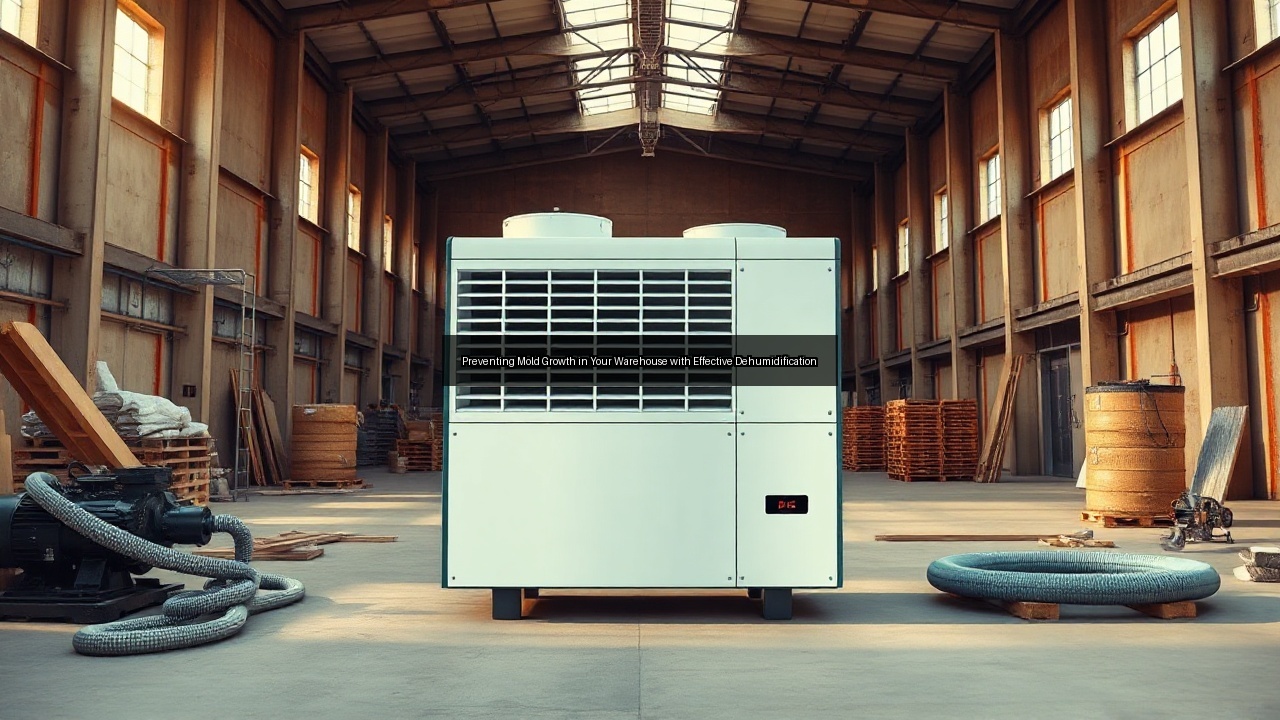
A commercial dehumidifier removes excess moisture from large spaces where standard units fall short. These machines handle high volumes of humid air in warehouses, construction sites, and spas. Operators select commercial dehumidifier units based on capacity measured in pints per day and airflow rated in CFM. A typical model processes 50 to 200 pints while moving 300 to 1000 CFM of air. Businesses rely on commercial dehumidifiers to protect inventory, speed drying after flooding, and maintain safe humidity levels that prevent mold growth. Unlike residential models, commercial dehumidifier units feature rugged builds, continuous drainage options, and integration with HVAC systems for whole-space humidity control.
Key Components of Dehumidifiers: Pumps and Hoses
Every commercial dehumidifier depends on a reliable pump and hose system for continuous operation. The pump moves collected water from the unit to a drain or remote location without manual emptying. Heavy-duty hoses resist kinks and handle high flow rates during extended drying jobs. In construction settings, crews connect the hose to direct moisture away from the workspace, keeping floors dry and preventing slip hazards. Quality pumps run quietly and resist corrosion from constant exposure to water. Replacement hoses and pumps extend the life of commercial dehumidifier units, ensuring uninterrupted dehumidification during critical projects.
How Dehumidifiers Work: The Science of Moisture Control
Commercial dehumidifiers pull warm, moist air across refrigerated coils. The air cools below its dew point, causing water vapor to condense into liquid that collects in a reservoir or drains through a hose. The now dehumidified air passes over warm coils and returns to the space at a lower humidity level. This cycle lowers relative humidity while managing temperature. Effective units maintain 30 to 50 percent humidity to stop mold and protect materials. Air flow volume in CFM determines how quickly the machine processes the entire volume of a warehouse or spa. Proper sizing in tons of capacity matches the dehumidifier to the moisture load.
Energy Efficiency in Commercial Dehumidifiers
Energy Star Ratings: What They Mean
Energy Star ratings identify commercial dehumidifier models that meet strict efficiency standards set by the EPA. Units carrying this label remove more pints of moisture per kilowatt-hour than standard models. Facility managers compare Energy Star data when choosing equipment for warehouses or construction sites. Higher ratings translate to lower operating costs over thousands of runtime hours. Many commercial dehumidifiers also include variable-speed compressors that adjust output to actual moisture levels, reducing energy waste. Selecting Energy Star units supports sustainability goals while delivering consistent humidity control.
Calculating Energy Consumption: Pints vs. CFM
Operators calculate energy use by dividing total pints removed by kilowatt-hours consumed. A commercial dehumidifier that extracts 100 pints while drawing 5 kWh achieves 20 pints per kWh efficiency. CFM ratings affect runtime because higher airflow processes larger spaces faster, sometimes lowering total energy draw. Facilities track these metrics during long drying projects after flooding. Matching pints capacity to the space size prevents oversized units from cycling inefficiently. Accurate calculations guide purchasing decisions for commercial dehumidifier units used in warehouses and spas.
Benefits of Energy-Efficient Units in Commercial Spaces
Energy-efficient commercial dehumidifiers cut monthly utility bills in large facilities. Lower power draw reduces strain on electrical systems and HVAC equipment. In construction environments, efficient models run longer without overheating, accelerating drying times for concrete and lumber. Warehouses maintain stable conditions that preserve stored goods and lower mold risk. Spas benefit from quiet, efficient units that keep humidity comfortable for guests without excessive noise or heat output. Over time, these savings offset the higher initial cost of premium commercial dehumidifier units.
Performance Factors of Commercial Dehumidifiers
Optimal Humidity Levels for Different Spaces
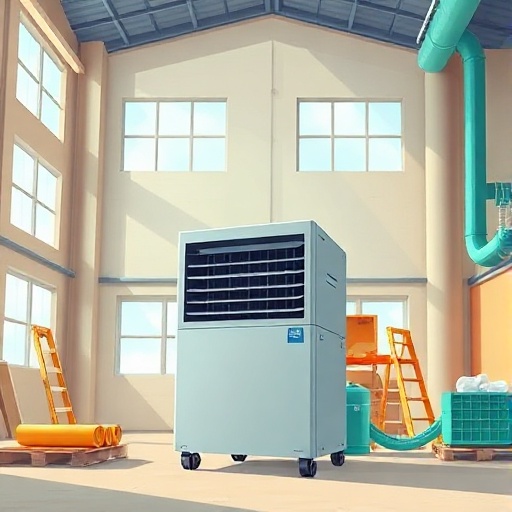
Warehouses storing electronics or paper require humidity between 35 and 45 percent to avoid warping and corrosion. Construction sites often target 50 percent during drying to speed moisture removal from materials. Spas and locker rooms need 40 to 55 percent to balance comfort and prevent mold on tiles. Commercial dehumidifiers allow precise control through built-in humidistats. Matching target levels to the space prevents over-drying that wastes energy. Regular monitoring ensures the dehumidified air stays within safe ranges for occupants and equipment.
The Role of Air Flow and Heat in Dehumidification
Strong air flow measured in CFM distributes dehumidified air evenly across large areas. Commercial dehumidifiers position intake and exhaust vents to create effective circulation patterns. Heat generated during the refrigeration cycle warms the outgoing air slightly, which aids evaporation from wet surfaces in construction zones. Balanced air flow prevents stagnant pockets where moisture lingers. Technicians adjust fan speeds on commercial dehumidifier units to optimize performance without excessive noise or energy use.
Noise Considerations: Sound Pressure Levels in Dehumidifiers
Sound pressure level ratings guide placement of commercial dehumidifiers in occupied spaces. Units rated below 55 decibels suit spas and offices where quiet operation matters. Construction sites tolerate higher levels around 65 decibels during active work. Manufacturers enclose compressors and insulate cabinets to lower sound output. Proper hose routing and vibration pads further reduce noise transmission through floors. Selecting models with documented sound pressure levels prevents complaints while maintaining effective humidity control.
Applications of Commercial Dehumidifiers
Dehumidifiers in Construction: Managing Moisture During Projects
Construction crews deploy commercial dehumidifiers to accelerate drying of concrete slabs, drywall, and lumber. High-capacity units remove hundreds of pints daily, shortening project timelines after water intrusion. Pumps and hoses direct condensate safely away from work areas. Proper dehumidification prevents mold that can delay inspections and increase costs. Teams integrate units with air movers to create directed drying zones. Commercial dehumidifier units sized correctly in tons of capacity match the moisture load of each phase of building.
Commercial Dehumidifiers for Warehouses and Storage
Warehouses use commercial dehumidifiers to protect inventory from humidity swings that cause rust, mildew, and product damage. Continuous operation maintains stable conditions across thousands of square feet. Air flow patterns reach high shelves and corners where moisture accumulates. Many facilities connect units to central HVAC systems for coordinated humidity control. Energy-efficient models keep operating costs manageable during seasonal humidity spikes. Regular maintenance ensures pumps and hoses function reliably during peak demand periods.
Using Dehumidifiers in Spas and Other Humid Environments
Spas install commercial dehumidifiers to counteract steam from pools and showers. These units maintain comfortable humidity levels that protect building materials and enhance guest experience. Low sound pressure levels allow placement near treatment rooms without disruption. Hoses route condensate to existing drains, eliminating manual water removal. Integrated controls link with HVAC systems to balance temperature and humidity automatically. Commercial dehumidifier units designed for corrosive environments resist damage from constant moisture exposure.
Troubleshooting and Maintenance Tips
Common Issues with Commercial Dehumidifiers
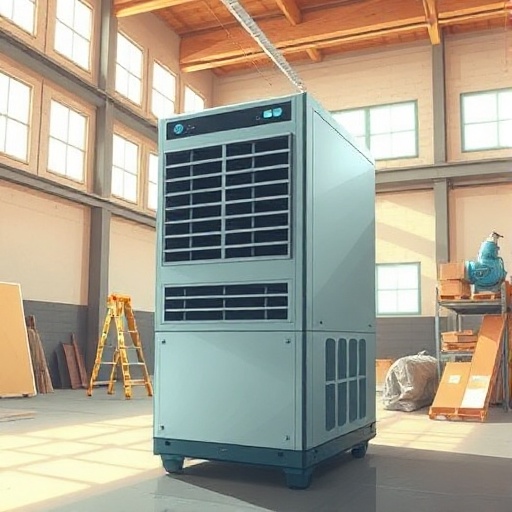
Clogged air filters reduce air flow and lower dehumidification performance in commercial units. Frozen coils often result from low temperatures or restricted air flow. Pump failures cause water backup and potential flooding. Hose blockages interrupt drainage and trigger automatic shutoffs. Technicians check refrigerant levels when units fail to reach target humidity. Addressing these problems quickly prevents secondary damage in warehouses and construction sites.
Routine Maintenance for Optimal Performance
Weekly filter cleaning maintains maximum CFM and prevents strain on the compressor. Monthly inspection of hoses and pump connections catches leaks before they cause issues. Quarterly coil cleaning removes dust that insulates surfaces and reduces efficiency. Annual professional service verifies refrigerant charge and calibrates controls. Documenting maintenance extends the lifespan of commercial dehumidifier units and ensures consistent humidity control across all applications.
Upgrading to Better Units: When to Replace Your Dehumidifier
Replace a commercial dehumidifier when repair costs exceed 50 percent of a new unit price. Older models lacking Energy Star ratings consume excess electricity compared with current options. Declining performance, measured in fewer pints removed per day, signals the need for replacement. Newer commercial dehumidifier units offer quieter operation, smarter controls, and better integration with HVAC systems. Facilities upgrade during planned renovations to match increased space demands or stricter humidity requirements.