Troubleshooting Common Issues with Industrial Dehumidifiers

Understanding Industrial Dehumidifiers
The Role of Dehumidification in Climate Control
Dehumidification plays a central role in climate control for factories, warehouses, and processing plants where excess air moisture creates corrosion, mold, and product defects. An industrial dehumidifier pulls moisture from large air volumes to maintain stable conditions that protect equipment and materials. Operators rely on these units to support HVAC systems and deliver consistent results across shifts. Proper dehumidification prevents condensation on pipes and machinery while improving overall air quality. Facilities track performance through sensors that measure relative humidity and dew points to adjust settings in real time. This process keeps production lines running without interruptions caused by damp environments.
Types of Industrial Dehumidifiers
Industrial dehumidifiers come in several designs suited to different facility needs. Refrigerant-based models cool air to condense water vapor and work well in moderate temperatures. Desiccant dehumidifiers use moisture-absorbing materials to handle high humidity or low-temperature spaces where standard units struggle. Hybrid systems combine both technologies for maximum flexibility in demanding applications. Each type offers specific advantages for dehumidifier for industry tasks such as drying processes or maintaining cleanrooms. Selecting the right unit depends on required CFM output, energy costs, and target dew points. Maintenance teams evaluate these options during equipment upgrades to match operational demands.
How Dehumidifiers Impact Different Industries
Dehumidifiers influence productivity across multiple sectors by controlling air moisture and supporting reliable operations. In manufacturing plants they reduce downtime from rust and electrical faults. Food processing benefits from stable humidity that extends shelf life and prevents spoilage. Electronics assembly lines depend on low dew points to avoid component damage during production. Pharmaceutical facilities use industrial dehumidifiers to meet strict regulatory standards for product integrity. These units integrate with broader HVAC setups to optimize energy use while delivering precise climate control. The result appears in higher output quality and lower rejection rates across production batches.
Common Issues with Industrial Dehumidifiers

Insufficient Dehumidification Performance
Operators notice insufficient performance when humidity levels remain elevated despite the unit running at full capacity. This issue often stems from clogged filters, undersized equipment, or incorrect settings that fail to address actual air moisture loads. Blocked coils or fans reduce airflow and limit moisture removal rates. In some cases environmental changes such as higher outdoor humidity overwhelm the dehumidifier. Troubleshooting begins with verifying CFM output and comparing it against design specifications. Regular sensor calibration helps detect performance drops early. Addressing these factors restores effective dehumidification and protects downstream processes from excess moisture.
High Energy Consumption and Inefficiency
High energy consumption signals that an industrial dehumidifier operates inefficiently due to worn components or poor system design. Dirty heat exchangers force the compressor to work harder and increase power draw. Leaking ducts allow conditioned air to escape and raise operating costs. Facilities monitor kilowatt usage alongside dehumidifying output to spot inefficiencies quickly. Upgrading to variable-speed drives or modern desiccant wheels often cuts consumption while maintaining performance. Proper sizing during installation prevents chronic overwork that drives up utility bills. Routine inspections of blower motors and controls keep energy use within expected ranges for industrial dehumidifiers.
Noise and Vibration Problems
Excessive noise and vibration disrupt workplace comfort and indicate mechanical issues inside industrial dehumidifiers. Loose panels, unbalanced fans, or worn bearings create audible disturbances that worsen over time. Misaligned ductwork transmits vibration through the building structure and affects nearby equipment. Technicians check mounting hardware and balance the blower assembly during routine service. Isolators and flexible connectors reduce transmitted noise effectively. Persistent problems may require replacement of impeller blades or motor mounts. Correcting these issues restores quiet operation and prevents premature wear on critical components.
Troubleshooting Steps for Industrial Dehumidifiers
Checking the Blower and CFM Output
Technicians start troubleshooting by measuring blower performance and confirming CFM output matches rated capacity. A drop in airflow points to dirty filters, obstructed intakes, or failing motors that restrict dehumidification. Portable anemometers provide quick readings at supply and return points to identify restrictions. Cleaning or replacing filters often restores proper CFM and improves moisture removal. Motor amperage checks reveal electrical issues that limit fan speed. Documenting these measurements creates a baseline for future comparisons. Consistent blower maintenance ensures the industrial dehumidifier delivers designed airflow across all operating conditions.
Assessing Dew Points and Environmental Conditions
Accurate dew points measurements guide effective troubleshooting of industrial dehumidifiers. Elevated dew points indicate the unit cannot keep pace with incoming air moisture or that sensors have drifted out of calibration. Technicians compare inlet and outlet conditions to locate performance gaps. External factors such as door openings or process steam loads alter environmental conditions and demand adjustments. Data loggers record trends over multiple shifts to reveal patterns. Adjusting setpoints or adding pre-cooling stages often brings dew points back into target ranges. This assessment prevents unnecessary part replacements while restoring reliable climate control.
Evaluating the Desiccant Material
Desiccant performance declines when the material becomes saturated or contaminated with oils and particulates. Visual inspection and weight checks reveal capacity loss that reduces dehumidifying effectiveness. Regeneration cycles must reach proper temperatures to restore full moisture-holding ability. Technicians test outlet humidity after regeneration to confirm desiccant function. Replacement becomes necessary once breakthrough moisture exceeds acceptable limits. Proper handling during media changes prevents damage to internal components. Regular evaluation of desiccant extends equipment life and maintains consistent performance in demanding industrial environments.
Industry-Specific Considerations

Food Packaging and Humidity Control
Food packaging lines require precise humidity control to prevent condensation that leads to labeling failures and microbial growth. An industrial dehumidifier maintains low dew points around wrapping stations and storage areas. This approach protects product quality while meeting sanitation standards. Operators integrate units with existing HVAC systems to handle variable production loads. Monitoring air moisture levels prevents packaging material warping and seal defects. Proper dehumidification also reduces corrosion on metal conveyors and filling equipment. Facilities achieve longer shelf life and fewer rejects by maintaining stable conditions throughout the packaging process.
Electronics Manufacturing and Moisture Management
Electronics manufacturing demands tight moisture management to protect sensitive circuits from corrosion and electrostatic discharge. Industrial dehumidifiers keep dew points below critical thresholds during assembly and testing. Cleanroom environments combine these units with HEPA filtration for particle control. Technicians monitor relative humidity continuously to avoid static buildup that damages components. Integration with HVAC controls allows rapid response to production changes. Consistent dehumidifying prevents costly rework and warranty claims. Facilities that prioritize moisture management report higher yields and improved reliability of finished products.
Pharmaceutical Industry Requirements
The pharmaceutical industry enforces strict requirements for humidity to preserve active ingredients and ensure batch consistency. Industrial dehumidifiers support validated environments that comply with regulatory guidelines. Precise control of air moisture and dew points protects powders and tablets during blending and coating. Redundant systems provide backup during maintenance to avoid production halts. Documentation of dehumidifier performance forms part of quality records. Technicians calibrate sensors regularly to maintain traceability. These measures safeguard product efficacy and support successful audits across manufacturing sites.
Prevention and Maintenance of Industrial Dehumidifiers
Regular Maintenance Practices
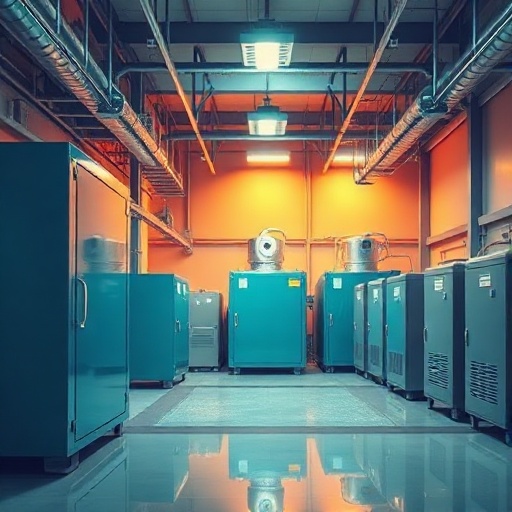
Regular maintenance practices extend the life of industrial dehumidifiers and prevent unexpected failures. Scheduled filter changes, coil cleaning, and lubrication keep components operating at peak efficiency. Technicians inspect electrical connections and safety switches during each visit. Recording runtime hours helps predict when desiccant or compressor service becomes necessary. Preventive programs reduce emergency repairs and maintain consistent dehumidification performance. Training staff on basic checks empowers early detection of issues. These habits support reliable operation across continuous production schedules.
Monitoring Air Moisture Levels
Continuous monitoring of air moisture levels provides early warning when conditions drift outside acceptable ranges. Digital sensors feed data into facility management systems that alert operators to rising humidity. Trend analysis reveals seasonal patterns that require seasonal adjustments to dehumidifier settings. Integration with HVAC controls allows automatic modulation based on real-time readings. Accurate monitoring prevents product damage from undetected moisture spikes. Facilities maintain logs that support compliance and equipment optimization. This proactive approach keeps industrial dehumidifiers aligned with production requirements.
Choosing the Right Dehumidifier for Industrial Locations
Choosing the right dehumidifier for industrial locations requires evaluation of space volume, moisture load, and temperature ranges. Oversized units waste energy while undersized models fail to reach target dew points. Engineers calculate required CFM and desiccant capacity before purchase. Site visits identify installation constraints such as floor loading and duct routing. Energy-efficient models with variable controls deliver lower operating costs over time. Comparing options from multiple manufacturers ensures the selected industrial dehumidifier matches specific process needs. Proper selection upfront reduces troubleshooting demands throughout the equipment lifespan.
See Also
- How HVAC Systems Work with Industrial Dehumidifiers for Optimal Air Quality
- Choosing the Right Industrial Dehumidifier for Your Food Packaging Needs
- Dehumidifying Large Spaces Effectively with High CFM Industrial Units
- A Comprehensive Guide to Industrial Dehumidifiers for Manufacturing Facilities
- Understanding Dew Points and Their Impact on Dehumidification Processes