Troubleshooting Common Issues with Industrial Dehumidifiers
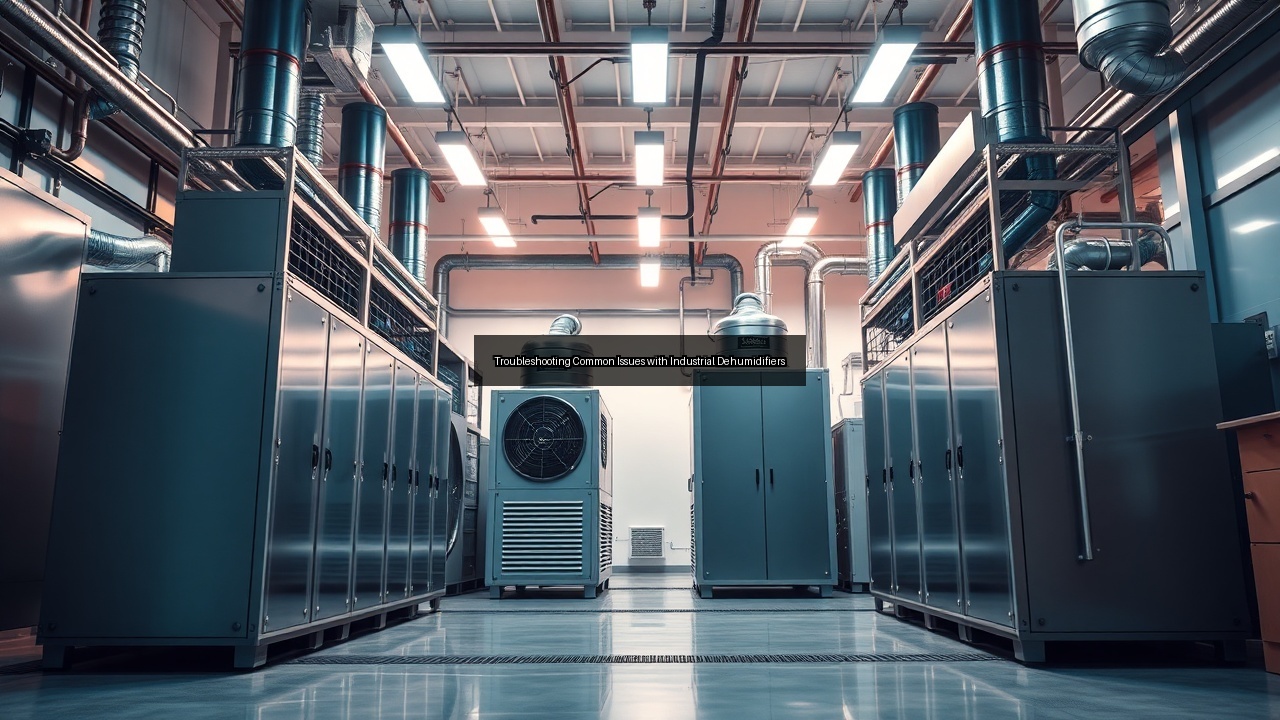
Understanding Industrial Dehumidifiers and Their Applications
Role of Dehumidification in Industrial Settings
Industrial dehumidifiers play a crucial role in maintaining optimal humidity levels within various facilities. They control air moisture effectively, preventing excessive dampness that can lead to a variety of problems. High humidity levels can compromise product integrity, cause mold growth, and result in equipment corrosion. Dehumidification systems extract moisture from the air, ensuring that environments remain conducive to production and storage. This process is vital in industries such as manufacturing, food processing, and pharmaceuticals, where moisture-sensitive materials must be kept dry to maintain quality and safety.
Common Industries Utilizing Industrial Dehumidifiers
Numerous industries rely on industrial dehumidifiers to manage humidity levels. The pharmaceutical industry requires strict climate control to protect sensitive products from moisture, which can affect efficacy and shelf life. Food packaging facilities also depend on these systems; excess humidity can lead to spoilage and degradation of food products. Electronics manufacturing benefits from dehumidification by preventing moisture-related damage to sensitive components. Other industries, such as textiles and woodworking, utilize dehumidifiers to create ideal conditions for drying and curing processes. Understanding the specific needs of each industry helps in choosing the right dehumidification solution.
Impact of Air Moisture on Product Quality
Air moisture significantly impacts product quality across various sectors. In food production, high humidity can lead to spoilage, mold growth, and nutrient loss, ultimately affecting consumer safety and satisfaction. In the pharmaceutical industry, moisture can degrade active ingredients, rendering medications less effective. In electronics, excess humidity can cause short circuits and corrosion, jeopardizing product reliability. Proper dehumidification ensures that products maintain their intended quality by controlling moisture levels effectively. By addressing humidity issues, businesses can enhance product longevity and meet regulatory standards, leading to improved customer trust and brand reputation.
Common Issues with Industrial Dehumidifiers
Inadequate Dew Point Control
Inadequate dew point control presents a significant challenge for industrial dehumidifiers. The dew point indicates the temperature at which air becomes saturated with moisture, leading to condensation. When dehumidifiers fail to maintain the desired dew point, moisture levels can rise, undermining the effectiveness of moisture-sensitive processes. Factors contributing to this inadequacy often include incorrect sizing of the dehumidifier, insufficient airflow, or malfunctioning sensors. Regular monitoring of dew point levels is critical. Operators should ensure that their dehumidification systems are appropriately calibrated and capable of maintaining the required dew point for their specific applications.
Noise and Vibration Issues from Blower Operation
Noise and vibration issues frequently arise from the operation of blowers in industrial dehumidifiers. These blowers are essential for circulating air and facilitating moisture removal, but they can generate significant noise levels, which may not only disrupt the work environment but also indicate underlying mechanical problems. Excessive vibration can lead to wear and tear on the equipment, resulting in reduced efficiency over time. Operators should regularly inspect blower components, ensuring that they are balanced and securely mounted. Implementing soundproofing measures or utilizing quieter blower models can also help mitigate these issues, creating a more pleasant working environment.
Electrical Failures and HVAC Interactions
Electrical failures can severely impact the performance of industrial dehumidifiers. These failures may stem from power surges, faulty wiring, or inadequate circuit protection. Additionally, interactions between dehumidifiers and HVAC systems can complicate matters. If the HVAC system operates inefficiently or does not complement the dehumidifier's functions, humidity control suffers. Regular testing and maintenance of electrical components are essential to prevent failures. Understanding how the dehumidifier interacts with the HVAC system allows operators to optimize performance and dehumidify ensure that both systems work in tandem for effective climate control.
Troubleshooting Techniques for Effective Dehumidification
Checking CFM Ratings for Optimal Performance
CFM, or cubic feet per minute, ratings play a critical role in evaluating the performance of industrial dehumidifiers. This measurement indicates the volume of air the dehumidifier can process per minute. Ensuring the CFM rating aligns with the specific requirements of the space being dehumidified is vital for optimal performance. If the CFM is too low, the system may struggle to maintain desired humidity levels. Conversely, a unit with excessively high CFM may lead to inefficient energy use. Operators should calculate the required CFM based on room size, moisture load, and desired humidity levels to select the appropriate dehumidifier.
Inspecting and Maintaining Desiccant Materials
Desiccant materials are essential components in many industrial dehumidifiers, absorbing moisture from the air. Regular inspection and maintenance of these materials are critical to ensure effective dehumidification. Over time, desiccants can become saturated and lose their effectiveness, necessitating replacement or regeneration. Operators should monitor the condition of desiccant materials, checking for signs of wear or saturation. Implementing a systematic maintenance schedule helps to avoid performance drops and ensures that the dehumidifier operates at peak efficiency. Proper handling and storage of desiccants also contribute to dehumidifying their longevity and effectiveness.
Evaluating System Compatibility with Food Packaging and Pharmaceuticals
Compatibility is vital when utilizing industrial dehumidifiers in environments such as food packaging and pharmaceuticals. Specific humidity levels are crucial for preserving product quality and safety. When selecting a dehumidifier, operators must evaluate its performance in relation to the unique requirements of these applications. For instance, food packaging often requires maintaining humidity below a certain threshold to prevent spoilage, while pharmaceuticals demand strict adherence to environmental standards to ensure product integrity. Conducting thorough assessments of the dehumidifier's capabilities and its interactions with other systems is essential for achieving the desired outcomes in these sensitive industries.
Preventive Measures and Best Practices
Regular Maintenance Schedules to Avoid Downtime
Implementing regular maintenance schedules significantly reduces the risk of downtime in industrial dehumidifiers. Preventive maintenance includes routine inspections, cleaning, and replacement of worn parts, ensuring that the equipment operates efficiently. Scheduled checks allow for the early detection of potential issues, enabling timely repairs before they escalate into costly failures. Operators should document maintenance activities and establish a checklist to cover all critical components of the dehumidifier. A proactive approach to maintenance not only extends the lifespan of the equipment but also ensures consistent moisture control in industrial settings.
Choosing the Right Industrial Dehumidifier for Specific Needs
Selecting the right industrial dehumidifier requires careful consideration of specific operational needs. Factors such as the size of the space, moisture load, and desired humidity levels all influence the choice of equipment. Operators should evaluate different options, including refrigerant-based and desiccant dehumidifiers, to determine which technology best suits their requirements. Consulting with manufacturers or industry experts can provide valuable insights into the most effective solutions for particular applications. Choosing the right dehumidifier enhances efficiency, reduces energy consumption, and ultimately safeguards product quality.
Utilizing Data Analytics for Climate Control Optimization
Embracing data analytics for climate control optimization significantly enhances the effectiveness of industrial dehumidifiers. By collecting and analyzing data on humidity levels, temperature, and airflow, operators can make informed decisions regarding adjustments and maintenance. Advanced analytics tools can identify trends and patterns, facilitating proactive measures to optimize humidity control. Utilizing this data helps operators fine-tune settings and improve overall system performance. Additionally, integrating data analytics with IoT devices offers real-time monitoring capabilities, further enhancing the ability to respond swiftly to changing conditions and ensuring consistent product quality.