The Future of Manufacturing with Swiss CNC Machining Technology
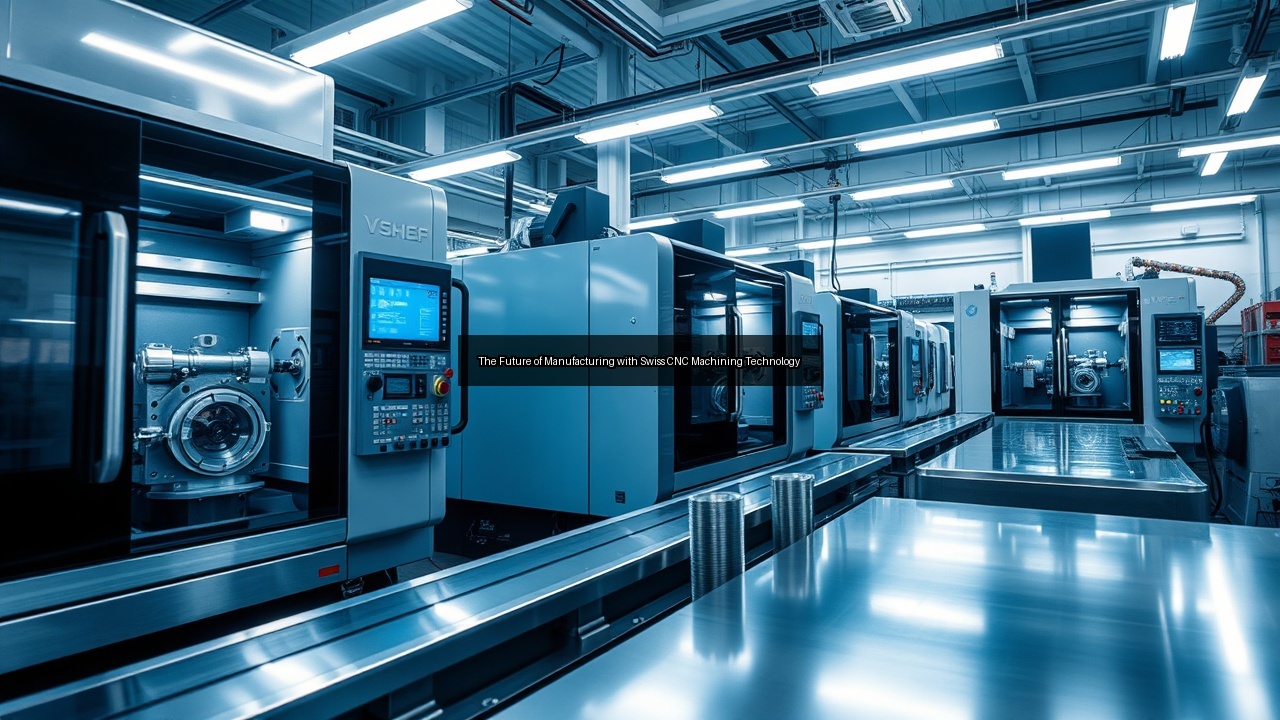
Understanding Swiss CNC Machining Technology
Overview of Swiss CNC Machining
Swiss CNC machining revolutionizes the manufacturing landscape by offering unparalleled precision and efficiency. This technology originated from Switzerland, where it was primarily used for producing small, intricate components. The hallmark of Swiss CNC machining lies in its ability to create parts with exceptional tolerances and geometries, making it a preferred choice in industries that demand high precision. Unlike traditional CNC machines, Swiss lathes work in a unique way: they support the workpiece from both ends, reducing vibration and enhancing stability. This innovative design allows for the machining of complex shapes and fine details, such as bushing and small diameters, with minimal waste and maximum accuracy.
Key Components of Swiss CNC Machines
Swiss CNC machines comprise several critical components that contribute to their superior performance. The primary element is the spindle, which drives the cutting tool and facilitates high-speed rotation. This spindle is often accompanied by multiple tool holders, allowing for rapid tool changes and versatility in machining operations. Additionally, the workpiece is securely held in place by a collet, which ensures stability during the cutting process. The automated control system, typically powered by advanced software, enables precise programming and execution of complex machining tasks. These components work in harmony to ensure that Swiss CNC machines deliver flawless results, consistently meeting the rigorous demands of modern manufacturing.
Comparison with Traditional CNC Machining
Swiss CNC machining stands out in comparison to traditional CNC machining methods due to its design and operational capabilities. While both techniques utilize computer numerical control for automation, Swiss machines excel at producing small, intricate parts with tight tolerances. Traditional CNC machines often rely on multiple setups to achieve similar results, which can lead to increased cycle times and higher production costs. Moreover, Swiss lathes typically operate faster, allowing manufacturers to complete projects in less time. The integration of advanced tools and automated processes in Swiss CNC machining enhances quality control, ensuring that every machined component meets stringent specifications without compromise.
Applications and Industries Benefiting from Swiss CNC Machining
Aerospace Industry Innovations
The aerospace industry has embraced Swiss CNC machining technology for its ability to produce lightweight, precise components essential for aircraft and spacecraft. Components such as brackets, fittings, and fasteners must adhere to strict weight and safety regulations, making Swiss lathes the ideal choice for manufacturing these parts. The high precision offered by Swiss CNC machines ensures that even the most complex geometries are achieved without sacrificing structural integrity. Innovations in this sector often require rapid prototyping and production, and Swiss CNC machining delivers the speed and accuracy needed to stay competitive in the fast-paced aerospace market.
Medical Devices and Precision Machining
In the medical device industry, Swiss CNC machining plays a crucial role in producing components that require high levels of precision and reliability. Instruments such as surgical tools, implants, and diagnostic equipment must meet stringent health regulations. The ability to machine intricate shapes with tolerances down to micrometers makes Swiss CNC technology indispensable. Companies benefit from automated processes that streamline production and enhance quality control, ensuring that every part is consistently manufactured to the highest standards. As medical technology continues to advance, the demand for precision CNC machining will only increase, highlighting the importance of Swiss CNC machines in this field.
Oil and Gas Sector Requirements
The oil and gas sector relies heavily on Swiss CNC machining for producing components that endure extreme conditions. Parts such as valves, connectors, and fittings are crucial for maintaining the integrity of drilling and extraction equipment. Swiss CNC machines provide the durability and precision necessary for these applications, ensuring that components can withstand high pressures and corrosive environments. The ability to automate machining processes enhances efficiency, allowing companies to meet the high demand for reliable components without sacrificing quality. As the oil and gas industry continues to evolve, Swiss CNC machining will remain a vital technology for meeting the rigorous demands of this sector.
Advantages of Swiss CNC Machining
Enhanced Tolerances and Geometries
Swiss CNC machining delivers enhanced tolerances and the ability to create complex geometries that traditional methods struggle to achieve. This precision is vital in industries where even the slightest deviation can result in catastrophic failures. The machines utilize advanced cutting tools and sophisticated programming, allowing for intricate designs that maintain structural integrity. Components can be manufactured with tolerances of a few microns, ensuring they fit perfectly within assembled systems. As manufacturing demands increase and industries become more competitive, the need for such precision will drive the continued adoption of Swiss CNC machining technology.
Increased Speeds and Efficiency
Speed and efficiency set Swiss CNC machining apart from other manufacturing methods. These machines operate at higher spindle speeds, enabling faster material removal and shorter cycle times. The automated tool change feature reduces downtime, allowing for continuous production and increased output. This efficiency translates into cost savings for manufacturers, who can produce more parts in less time while maintaining high-quality standards. As industries strive for improved productivity, the advantages of Swiss CNC machining in terms of speed and efficiency become increasingly attractive.
Automated Processes and Quality Control
Automation plays a vital role in Swiss CNC machining, enhancing both production processes and quality control. The integration of advanced software allows for precise programming and real-time monitoring of machining operations. Manufacturers can implement automated quality checks throughout the production process, ensuring that each component meets the required specifications. This level of quality control minimizes errors and reduces waste, contributing to overall operational efficiency. As the trend toward automation continues to grow, Swiss CNC machining will lead the way in delivering high-quality products while streamlining manufacturing processes.
The Future Landscape of Swiss CNC Machining
Emerging Technologies in CNC Machining
The future of Swiss CNC machining hinges on the integration of emerging technologies such as artificial intelligence and machine learning. These advancements will enhance the capabilities of CNC machines, allowing for predictive maintenance and adaptive machining processes. By analyzing data in real-time, these systems can optimize operations, reducing downtime and improving overall productivity. Additionally, the development of smart manufacturing technologies will enable manufacturers to connect machines to the Internet of Things (IoT), facilitating seamless communication between devices and enhancing operational efficiency.
Impact of CAD Software on Design and Manufacturing
Computer-Aided Design (CAD) software significantly impacts the design and manufacturing processes in Swiss CNC machining. Advanced CAD tools allow engineers to create intricate designs with precision, which can then be directly translated into machining instructions for CNC machines. This integration streamlines the workflow, reducing the time from design to production. As CAD software continues to evolve, it will offer even more robust features that enhance design capabilities, allowing for greater innovation and efficiency in Swiss CNC machining. The synergy between CAD and CNC technology will drive the manufacturing landscape forward.
Trends in Swiss CNC Machining Services
Trends in Swiss CNC machining services indicate a strong shift toward customization and on-demand production. Manufacturers are increasingly looking for solutions that allow for rapid prototyping and small-batch production, which Swiss CNC machines excel at. Companies are also focusing on sustainability, seeking materials and processes that minimize environmental impact. Additionally, the demand for highly specialized parts across various industries will drive further investment in Swiss CNC technology. The future landscape of manufacturing will rely heavily on the advantages offered by Swiss CNC machining, positioning it as a key player in the evolution of production processes.
See Also
- Innovative Tooling Solutions for Swiss CNC Machining Success
- Designing for Swiss CNC Machining Maximizing Your Product's Potential
- The Role of Automation in Enhancing Swiss CNC Machining Efficiency
- Swiss CNC Machining vs Traditional Machining Which is Better
- How Swiss CNC Lathes Are Revolutionizing Medical Device Production