Exploring the Benefits of Dual Shot Injection Molding in Modern Production
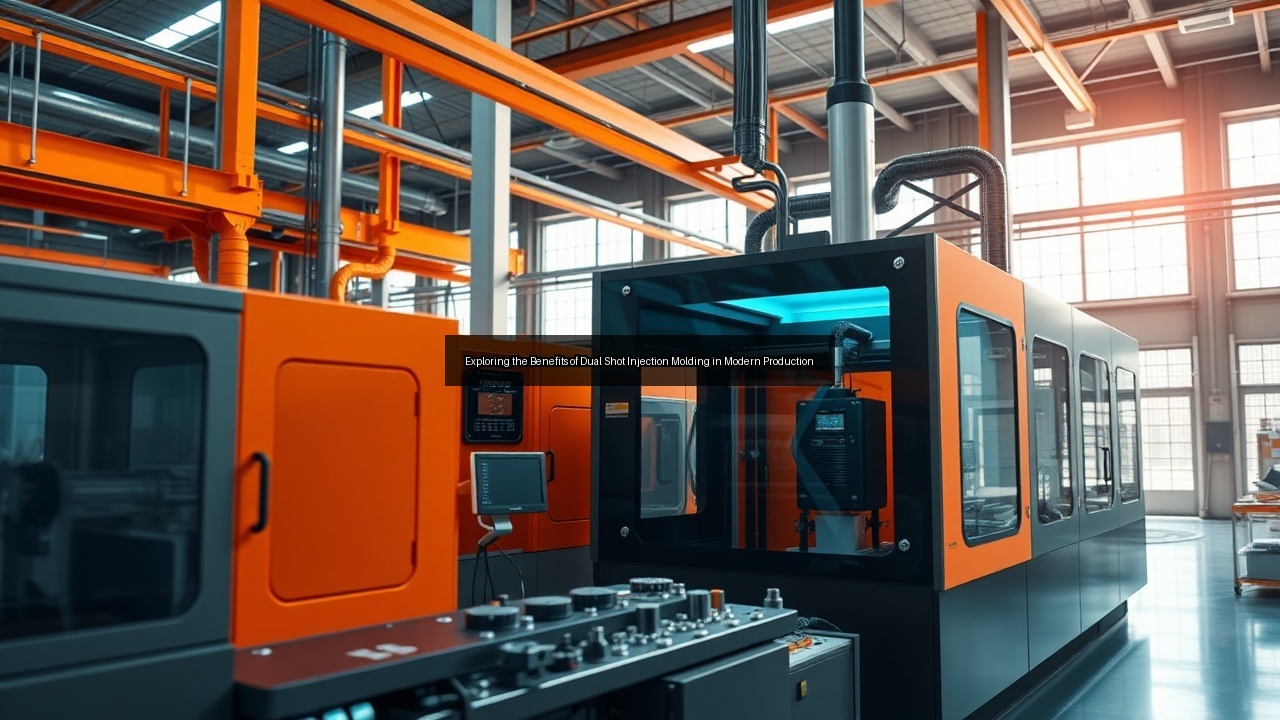
Understanding Dual Shot Injection Molding
The Dual Shot Molding Technique Explained
Dual shot injection molding, often referred to as 2-shot molding or dual injection, revolutionizes the production of complex plastic parts. This technique involves two different materials or colors being injected into a single mold in a sequential process. The first shot creates the base layer, while the second shot overlays or complements this layer, resulting in a single, cohesive product. The precision of this technique allows manufacturers to combine various thermoplastics, enhancing both aesthetics and functionality. For example, a soft-touch grip can be overmolded onto a hard plastic base, delivering superior ergonomics and improved user experience. This seamless integration of materials not only improves durability but also opens the door to innovative designs that were challenging to achieve with traditional methods.
Comparing Dual Shot and Traditional Injection Molding
Traditional injection molding typically involves a single material injected into a mold, limiting design flexibility and functionality. In contrast, dual shot injection molding allows for the combination of different materials in one process, providing significant advantages. This dual approach reduces the need for assembly, minimizing labor costs and production time. Moreover, the end product benefits from enhanced performance characteristics—such as increased strength, flexibility, and aesthetic appeal—due to the varied materials used. While traditional methods may require additional processes like painting or assembly, dual shot molding streamlines production, resulting in lower overall costs and faster time-to-market. Manufacturers seeking to push the boundaries of design and function benefit immensely from this advanced molding technique.
Advantages of Dual Shot Injection Molding
Enhanced Design Flexibility with Overmolding
Overmolding, a key component of dual shot injection molding, significantly enhances design flexibility. This technique allows manufacturers to create multi-material parts that incorporate different textures, colors, and functional properties. For instance, a product can feature a rigid structure with a soft outer layer, improving grip and comfort. This design capability not only meets aesthetic demands but also addresses functional requirements, enabling the production of complex geometries and intricate designs without the need for assembly. The ability to mold diverse materials in one shot eliminates the challenges associated with bonding different components, ensuring a stronger and more reliable final product. Designers appreciate this versatility, as it fosters innovation and creativity in product development, particularly in industries where user experience is paramount.
Cost Efficiency in Production
Cost efficiency emerges as a significant advantage of dual shot injection molding. By combining two processes into one, manufacturers reduce labor and material costs associated with traditional injection molding. The elimination of secondary operations—such as assembly, adhesive bonding, and surface finishing—streamlines production and minimizes lead times. Furthermore, the precision of this technique reduces material waste, allowing companies to dual shot injection molding technique maximize resource usage. The ability to create complex parts in one cycle not only enhances productivity but also lowers energy consumption, contributing to overall cost savings. As industries seek to optimize their manufacturing processes, dual shot injection molding stands out as a method that achieves both quality and efficiency without compromising on performance.
Sustainability Benefits in Material Use
Sustainability plays a crucial role in modern manufacturing, and dual shot injection molding offers significant advantages in this area. By utilizing thermoplastics and other eco-friendly materials, manufacturers can create products that are not only durable but also recyclable. The dual shot process minimizes waste by allowing for precise material usage, reducing the amount of scrap generated during production. Additionally, the ability to incorporate recycled materials into the injection molding process aligns with global sustainability efforts. This focus on resource conservation and environmental responsibility resonates with consumers, who increasingly prefer products that reflect eco-conscious values. Manufacturers adopting dual shot injection molding not only enhance their operational efficiency but also strengthen their commitment to sustainability, appealing to a market that prioritizes environmentally friendly practices.
Applications and Innovations in Dual Shot Injection Molding
Integration with 3D Printing Technologies
The integration of dual shot injection molding with 3D printing technologies represents a groundbreaking shift in manufacturing. This combination allows for rapid prototyping of complex designs that can be efficiently transitioned into mass production. 3D printing facilitates the creation of intricate mold designs, while dual shot molding enables the production of high-quality parts with multiple materials. This synergy not only accelerates the design process but also enhances product customization, catering to specific consumer needs. Industries such as automotive, electronics, and consumer goods benefit from this innovation, as it enables the rapid development of sophisticated products. The collaboration between these technologies fosters a dynamic manufacturing landscape, where efficiency and creativity coexist in harmony.
Use of Thermoplastics and Aluminum
Dual shot injection molding thrives on the versatility of materials, particularly thermoplastics and aluminum. Thermoplastics offer excellent durability, flexibility, and recyclability, making them ideal for a wide range of applications. The ability to combine these materials with aluminum enhances product strength and performance, particularly in industries that require lightweight yet robust components. The dual shot process facilitates the seamless integration of these materials, allowing for innovative designs that leverage the unique properties of both. This capability is particularly valuable in the automotive and aerospace sectors, where weight reduction without compromising strength is crucial. Manufacturers embracing this dual approach can produce cutting-edge products that meet stringent industry standards while pushing the envelope in design and functionality.
Case Studies: Successful Implementations in Various Industries
Numerous industries have successfully implemented dual shot injection molding, showcasing its versatility and effectiveness. In the consumer electronics sector, companies have used this technique to create intricate device housings that require both aesthetics and functionality. For instance, mobile phone manufacturers combine soft-touch materials with rigid structures to enhance user experience. In the automotive industry, dual shot molding produces complex parts like dashboard components that require multiple materials for visual appeal and performance. Additionally, medical device manufacturers leverage this technology to create ergonomic designs that ensure comfort and usability. These case studies highlight how dual shot injection molding not only meets industry demands but also fosters innovation, setting new standards in product design and production efficiency.
Future Trends and Leadership in Injection Molding Technology
Emerging Materials and Techniques
The landscape of dual shot injection molding continues to evolve, driven by emerging materials and techniques. Manufacturers are exploring advanced thermoplastics that offer enhanced properties, such as increased strength and thermal resistance. Innovations in bio-based materials also align with sustainability goals, allowing for the creation of eco-friendly products that do not compromise on performance. Techniques such as rapid tooling and in-mold labeling are gaining traction, further expanding the capabilities of dual shot processes. These advancements not only improve production efficiency but also elevate product quality, enabling manufacturers to stay competitive in a rapidly changing market. Companies that embrace these emerging trends position themselves as leaders in the injection molding industry, ready to meet the challenges of tomorrow.
The Role of Extrusion in Dual Shot Processes
Extrusion plays a vital role in enhancing the capabilities of dual shot injection molding. This process allows for the continuous shaping of materials, which can then be integrated into dual shot systems for complex applications. By combining extrusion with injection molding, manufacturers can create multi-layered products with superior structural integrity. This synergy also enables the incorporation of diverse materials, expanding design possibilities and enhancing product performance. The ability to produce long, continuous shapes that can be molded into intricate designs positions extrusion as a valuable complement to dual shot injection molding, paving the way for innovative solutions in various industries.
Conversations on Sustainability and Innovation in Plastics
The conversation around sustainability and innovation in plastics is more crucial than ever. With growing environmental concerns, manufacturers must prioritize sustainable practices in production. Dual shot injection molding contributes to this dialogue by promoting efficient resource use and reducing waste. As companies explore new ways to innovate while minimizing their environmental impact, the focus on eco-friendly materials and processes will shape the future of the industry. This ongoing conversation encourages collaboration among manufacturers, researchers, and consumers to drive positive change. By embracing sustainable practices, the injection molding industry can lead the way in creating a circular economy, where plastics are not only utilized efficiently but also recycled and repurposed effectively.