Custom Rubber Molding vs Injection Molding What You Need to Know
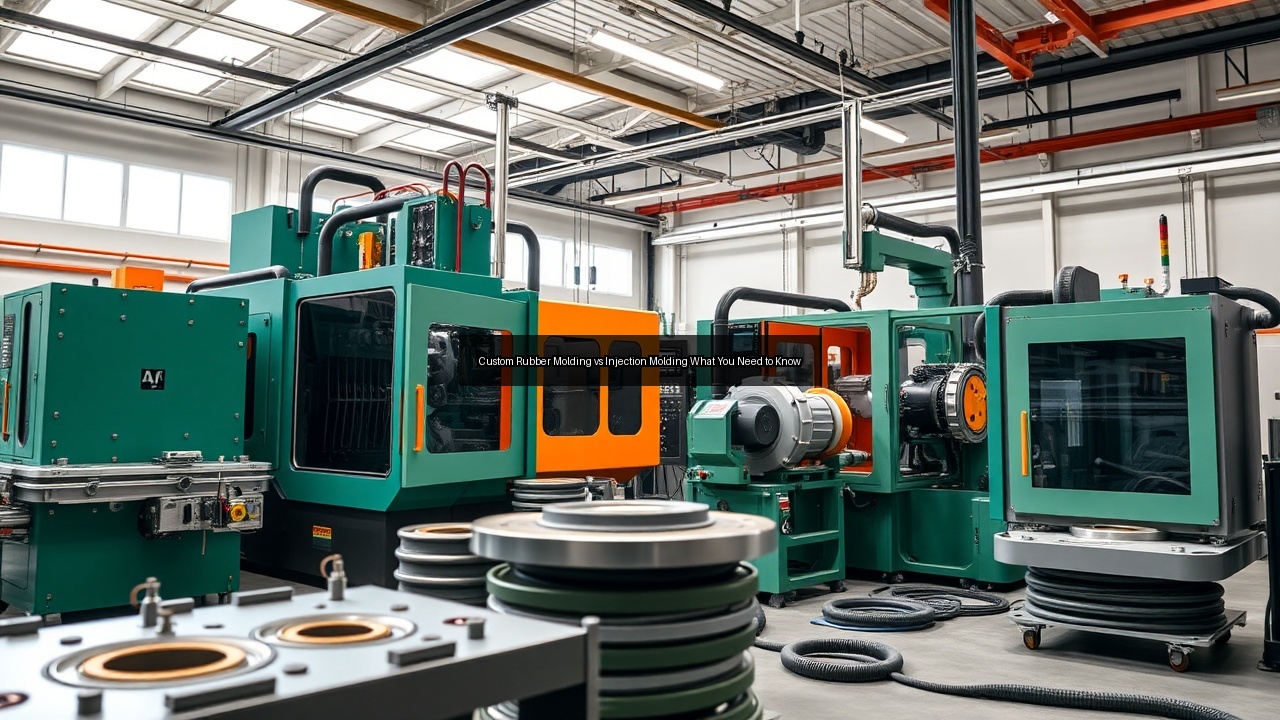
Understanding Custom Rubber Molding
What is Custom Rubber Molding?
Custom rubber molding refers to a specialized manufacturing process that creates unique rubber components tailored to specific requirements. This technique involves using molds to shape raw rubber material into designated forms, such as automotive gaskets, bumpers, or vibration dampers. Manufacturers often utilize various types of rubber, including EPDM, silicone, and other elastomers, depending on the application. The process allows for high precision and flexibility, accommodating a wide range of design specifications, tolerances, and production volumes. Custom rubber molding stands out from standard rubber products by delivering pieces that meet unique customer needs, ensuring optimal functionality and performance in their intended applications.
Key Benefits of Custom Rubber Molding
Custom rubber molding offers several significant advantages that enhance its appeal to various industries. Firstly, the ability to produce complex designs with precise tolerances ensures that components fit seamlessly into existing systems. This precision minimizes the risk of defects and maximizes efficiency. Secondly, manufacturers can select materials based on specific requirements, such as temperature resistance, chemical stability, and mechanical strength. Additionally, custom rubber molds allow for cost-effective production, particularly for large volumes, as the initial investment in mold design pays off over time. Finally, custom rubber molding enables manufacturers to innovate continuously, adapting to changing market demands and technological advancements.
Common Applications of Custom Rubber Molding
Custom rubber molding finds applications across numerous sectors, each leveraging its unique properties. In the automotive industry, manufacturers use custom rubber components for gaskets, seals, and bushings, which play critical roles in ensuring vehicle performance and longevity. The food industry employs rubber molds rubber custom molds for packaging solutions that require high cleanliness and safety standards, while medical applications demand precise rubber shapes for grommets and seals. Moreover, custom rubber molding serves electronics, construction, and aerospace industries, where vibration isolation and noise reduction are essential. Each application showcases the versatility and reliability of custom rubber molding in diverse environments and uses.
Comparative Analysis: Custom Rubber Molding vs Injection Molding
Overview of Injection Molding
Injection molding represents another widely used manufacturing technique, primarily for plastic components. This process involves injecting molten plastic into a pre-designed mold, allowing it to cool and solidify into the desired shape. Injection molding excels in producing high volumes of identical parts with consistent quality and is particularly advantageous for large-scale production. Companies often use this method for creating items such as containers, automotive parts, and consumer goods. While injection molding is highly efficient for plastic, it lacks some of the flexibility offered by rubber custom molds custom rubber molding, particularly when dealing with complex shapes or specific material properties.
Differences in Manufacturing Processes
Custom rubber molding and injection molding differ significantly in their manufacturing processes. Custom rubber molding requires the preparation of molds and involves rubber custom molds techniques such as compression molding or transfer molding, where pressure and temperature play crucial roles in shaping the material. In contrast, injection molding relies on the rapid heating and injection of molten plastic into the mold under high pressure. This difference affects production speed, flexibility, and the types of materials that can be used. While injection molding supports a range of thermoplastics, custom rubber molding excels with elastomers, making it essential for applications requiring specific properties like flexibility and durability.
Tolerances and Design Considerations
Tolerances play a critical role in both custom rubber molding and injection molding, but the specifics differ. Custom rubber molding often accommodates a wider range of tolerances due to the nature of rubber materials, which can expand or contract under varying temperatures and pressures. Manufacturers can design molds that account for these variations, ensuring that final products meet precise specifications. In contrast, injection molding typically demands tighter tolerances, as plastic does not possess the same elasticity as rubber. Design considerations also vary; rubber components often prioritize flexibility and impact resistance, while plastic parts focus on strength and rigidity. Understanding these differences helps manufacturers choose the appropriate method for their specific needs.
Material Options: Rubber vs Plastic
The choice of material significantly influences the decision between custom rubber molding and injection molding. Rubber offers unique properties, such as flexibility, resilience, and resistance to extreme temperatures and chemicals, making it suitable for applications like vibration dampening and sealing. In contrast, plastics used in injection molding provide advantages like lower weight, corrosion resistance, and ease of coloring. However, rubber components often outperform plastic in terms of durability and performance in harsh environments. Manufacturers must assess the requirements of their products, including factors such as temperature, exposure to chemicals, and mechanical stress, to determine the ideal material for their application.
Technologies and Techniques in Rubber Molding
Compression Molding Explained
Compression molding is one of the primary techniques used in custom rubber molding. This method involves placing a pre-measured amount of rubber material into an open mold and then applying heat and pressure to shape it. The process is relatively simple and cost-effective, particularly for producing large, solid parts. Compression molding is ideal for applications requiring thicker components, such as gaskets and seals. The technique allows for the use of various rubber formulations, providing manufacturers with flexibility in material choices. Furthermore, compression molding can handle complex geometries, making it a popular choice for custom rubber parts.
Transfer Molding: Benefits and Applications
Transfer molding represents another effective method in custom rubber molding, particularly for intricate designs. This process involves transferring heated rubber from a pot into a closed mold under pressure. Transfer molding offers several advantages, including better control over the material flow and the ability to incorporate inserts or other components into the molded part. This technique is particularly beneficial for creating complex shapes and fine details, making it suitable for applications such as automotive parts and electronic device grommets. Manufacturers appreciate transfer molding for its ability to produce high-quality components while maintaining consistent tolerances.
Innovations in Rubber Molding Technologies
Recent innovations in rubber molding technologies have enhanced the efficiency and capabilities of custom rubber molding. Advances in automation and computer-aided design (CAD) allow manufacturers to create intricate molds with precision, reducing lead times and production costs. Additionally, the integration of smart technologies enables real-time monitoring of the molding process, ensuring consistent quality and rubber custom molding reducing waste. Innovative materials, such as thermoplastic elastomers (TPEs), combine the best properties of rubber and plastic, expanding the possibilities for custom rubber molding applications. These advancements empower manufacturers to push the boundaries of design and functionality in the products they create.
Choosing the Right Manufacturer for Custom Rubber Molding
Factors to Consider When Selecting a Manufacturer
Choosing the right manufacturer for custom rubber molding involves evaluating several critical factors. First, assess the manufacturer’s experience in the industry and their track record of producing high-quality custom molds. Look for evidence of successful projects and customer testimonials to gauge their reliability. Additionally, consider their production capabilities, including the range of materials they can handle and the technologies they employ. Turnaround time and flexibility in meeting deadlines also matter, particularly for industries with fast-paced demands. Finally, ensure that the manufacturer can provide comprehensive support, from design assistance to quality inspection, to guarantee the success of your project.
Importance of ISO Certification in Rubber Manufacturing
ISO certification plays a vital role in the rubber manufacturing industry, serving as a benchmark for quality and reliability. Manufacturers with ISO certification adhere to internationally recognized standards, ensuring that their products consistently meet customer requirements and regulatory guidelines. This certification reflects a commitment to continuous improvement and quality management practices, which translates to better products and services. When selecting a manufacturer for custom rubber molding, prioritize those with ISO certification, as it indicates their dedication to maintaining high-quality standards throughout the production process. This assurance provides peace of mind for customers investing in custom rubber components.
Evaluating Manufacturer Experience and Expertise
Experience and expertise in custom rubber molding significantly influence the quality and reliability of the final product. Manufacturers with extensive backgrounds in the industry possess valuable insights into material selection, design considerations, and production techniques. Evaluate their portfolio to determine the range of projects they have completed, focusing on those that align with your specific needs. Additionally, consider their engineering capabilities and willingness to collaborate during the design phase, as this partnership can enhance the final product’s performance. By thoroughly assessing a manufacturer's experience and expertise, you can ensure that your custom rubber molding project meets the highest standards of quality and functionality.