Elevating Guest Satisfaction with Efficient Pool Dehumidification
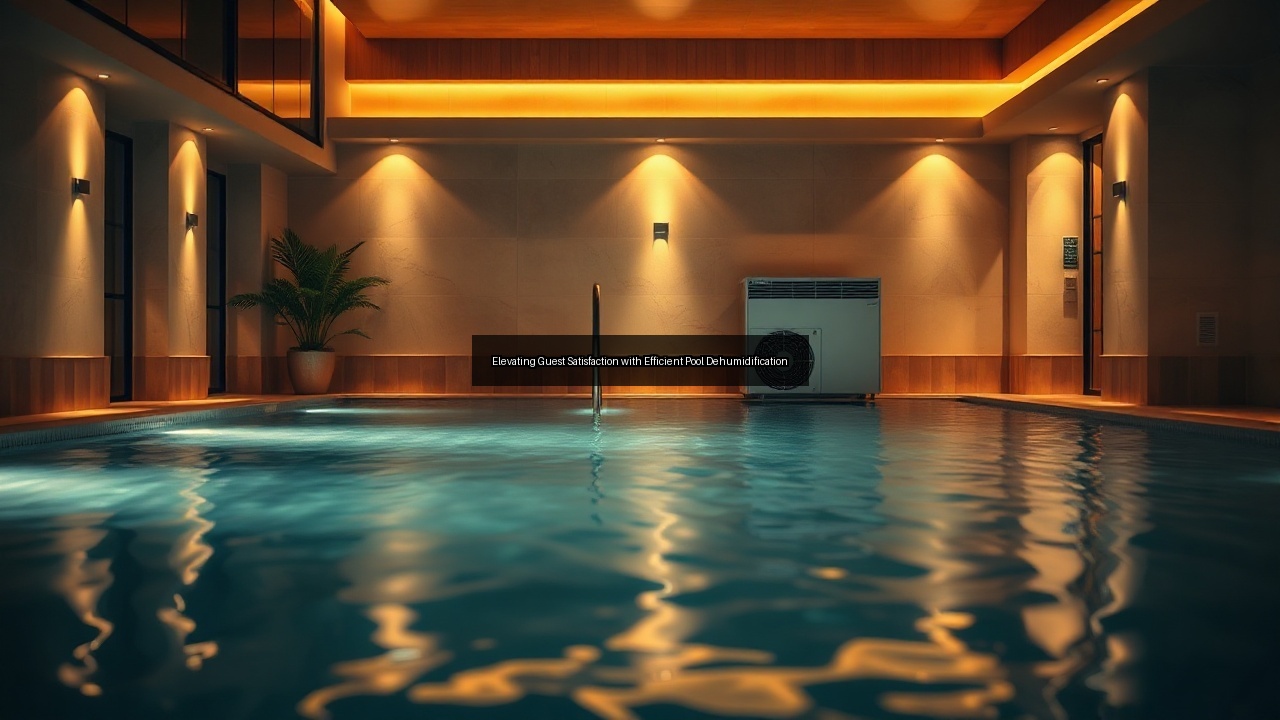
Understanding the Importance of Dehumidification in Hotel Pools
The Role of Humidity Control in Indoor Swimming Pools
Humidity control plays a crucial role in maintaining a pleasant atmosphere in indoor swimming pools. High humidity levels can lead to discomfort for guests, creating a sticky environment that detracts from the overall swimming experience. Indoor pools, when not properly dehumidified, can foster the growth of mold and mildew, which pose health risks and can damage the hotel’s infrastructure. Effective dehumidification ensures that the air remains fresh and free of excess moisture, promoting a comfortable environment. Implementing a reliable hotel swimming pool dehumidifier not only enhances guest satisfaction but also protects the investment in the facility’s design and maintenance.
Consequences of Poor Dehumidification on Guest Experience
The consequences of inadequate dehumidification extend beyond mere discomfort. Guests expect a relaxing and enjoyable experience when visiting hotel swimming pools. High humidity can lead to foggy windows, condensation on surfaces, and an overall feeling of dampness that many find unwelcoming. Additionally, the presence of mold can result in unpleasant odors and allergic reactions, further diminishing the guest experience. Hotels that fail to address these issues may face negative reviews and a decline in repeat business. Therefore, investing in efficient dehumidification dehumidifer systems is essential for maintaining a positive perception and ensuring that guests leave with hotel pool dehumidification unit a lasting impression of comfort and quality.
ASHRAE Standards for Indoor Pool Climate Control
ASHRAE (the American Society of Heating, Refrigerating and Air-Conditioning Engineers) provides specific guidelines regarding climate control in indoor pools. These standards outline optimal humidity levels, which typically range between 50% and 60% for indoor swimming pools. Adhering to these recommendations not only safeguards guest comfort but also protects the building materials and HVAC systems from damage caused by excess moisture. Utilizing a properly designed dehumidification unit that complies with ASHRAE standards ensures that hotels maintain ideal indoor air quality, fostering a healthier environment for all who visit. Following these guidelines reinforces a hotel’s commitment to quality and guest satisfaction.
Choosing the Right Dehumidification Unit for Hotels
Types of Dehumidifiers for Indoor Pools
Choosing the right dehumidification unit for hotel pools involves understanding the various types available. Typically, there are two primary categories: dedicated dehumidifiers and integrated HVAC systems. Dedicated dehumidifiers function independently, using refrigerants to extract moisture from the air, ideal for smaller installations. In contrast, integrated systems connect dehumidification to existing HVAC systems, allowing for comprehensive climate control across a hotel. When selecting a dehumidifier, consider the size of the indoor pool, the expected humidity levels, and the energy efficiency of the unit. A well-chosen dehumidification system not only enhances guest comfort but also contributes to lower operational costs.
Key Features of a Hotel Pool Dehumidifier
When evaluating hotel pool dehumidifiers, focus on key features that enhance performance and efficiency. Look for units equipped with advanced controls that allow for precise humidity monitoring and adjustment, ensuring optimal conditions at all times. Energy recovery options can significantly reduce energy costs by reclaiming heat from the dehumidification process and redistributing it throughout the indoor pool area. Additionally, consider models with easy-to-clean filters, as regular maintenance helps prolong the life of the unit and maintain air quality. Investing in a high-quality hotel pool dehumidifier with these essential features ensures a comfortable and enjoyable swimming experience while protecting the hotel’s infrastructure.
Energy Efficiency and Refrigerants: Making the Right Choice
Energy efficiency is a critical consideration when selecting a dehumidification unit for hotel swimming pools. Look for models that utilize environmentally friendly refrigerants, as these not only reduce the carbon footprint but also comply with evolving regulations. Energy-efficient units often come with higher upfront costs but deliver significant savings over time through reduced energy consumption. Many modern hotel pool dehumidifiers employ variable-speed technology, allowing them to adjust operations based on real-time humidity levels. This capability enhances energy savings while maintaining optimal indoor climates. Choosing the right combination of energy efficiency and refrigerants contributes to both operational savings and sustainability goals.
Integrating Dehumidification with HVAC Systems
Design Considerations for Effective Climate Control
Integrating dehumidification with HVAC systems requires careful design considerations to achieve effective climate control. Proper airflow distribution plays a vital role in maintaining consistent humidity levels throughout hotel pool dehumidification unit the natatorium. Ensure that the HVAC design accommodates the specific requirements of the indoor pool area, including the size, layout, and expected occupancy levels. Incorporating dedicated ventilation strategies can also enhance air quality and comfort. Collaboration with HVAC professionals during the design phase ensures that the system operates efficiently, meets ASHRAE standards, and effectively manages humidity levels, reinforcing the hotel’s commitment to guest satisfaction.
Benefits of Energy Recovery in Dehumidification
Energy recovery systems offer numerous benefits when integrated with pool dehumidification. These systems capture and reuse heat generated during the dehumidification process, significantly reducing the energy required to maintain comfortable air temperatures. By recycling energy, hotels can lower operational costs while minimizing their environmental impact. Additionally, energy recovery helps maintain consistent air temperatures, enhancing guest comfort during their stay. Implementing energy recovery in hotel pool dehumidification aligns with sustainable practices and demonstrates a commitment to responsible energy use, appealing to eco-conscious travelers.
Maintaining Optimal Conditions in Natatoriums
Maintaining optimal conditions in natatoriums involves a proactive approach to climate control. Regular monitoring of humidity and temperature levels ensures compliance with ASHRAE standards, fostering a safe and enjoyable environment for guests. Implementing scheduled maintenance of HVAC and dehumidification systems helps identify issues before they escalate, ensuring that equipment operates efficiently. Additionally, educating hotel staff on the importance of humidity control can promote a culture of care around guest comfort. A well-maintained natatorium not only enhances the guest experience but also protects the hotel’s investment in its facilities.
Best Practices for Enhancing Guest Satisfaction
Regular Maintenance of Dehumidification Units
Regular maintenance of dehumidification units is essential for ensuring optimal performance and guest satisfaction. Schedule routine inspections and cleanings to prevent buildup and inefficiencies that can compromise air quality. Replace filters as needed to maintain airflow and ensure the dehumidifier operates at peak efficiency. Establishing a maintenance log helps track service history and identify patterns that may indicate larger issues. By prioritizing maintenance, hotels can extend the lifespan of their dehumidification units, reduce operational costs, and provide a consistently comfortable atmosphere for guests enjoying the hotel swimming pool.
The Impact of a Well-Designed Indoor Pool on Hospitality
A well-designed indoor pool significantly impacts the overall hospitality experience. Guests appreciate a relaxing environment where they can unwind and enjoy hotel pool dehumidification unit their time. Effective dehumidification contributes to this experience by ensuring air quality and comfort. Thoughtful design elements, such as natural lighting and aesthetically pleasing surroundings, enhance the ambiance of the swimming pool area. When hotels invest in creating inviting spaces, they not only attract guests but also encourage positive word-of-mouth and repeat visits. Understanding the interplay between design, dehumidification, and guest experience is crucial for hotels aiming to stand out in a competitive market.
Creating a Comfortable Environment for Hotel Guests
Creating a comfortable environment for hotel guests goes beyond the basics. Successful hotels understand the importance of a pleasant indoor pool experience. Maintaining optimal humidity levels through effective dehumidification ensures guests feel relaxed and at ease while enjoying the facilities. Additionally, incorporating amenities such as seating areas, spa-like features, and refreshments can further enhance the overall experience. By focusing on comfort and guest satisfaction, hotels can differentiate themselves from competitors, foster loyalty, and create memorable experiences that guests will share long after their stay.